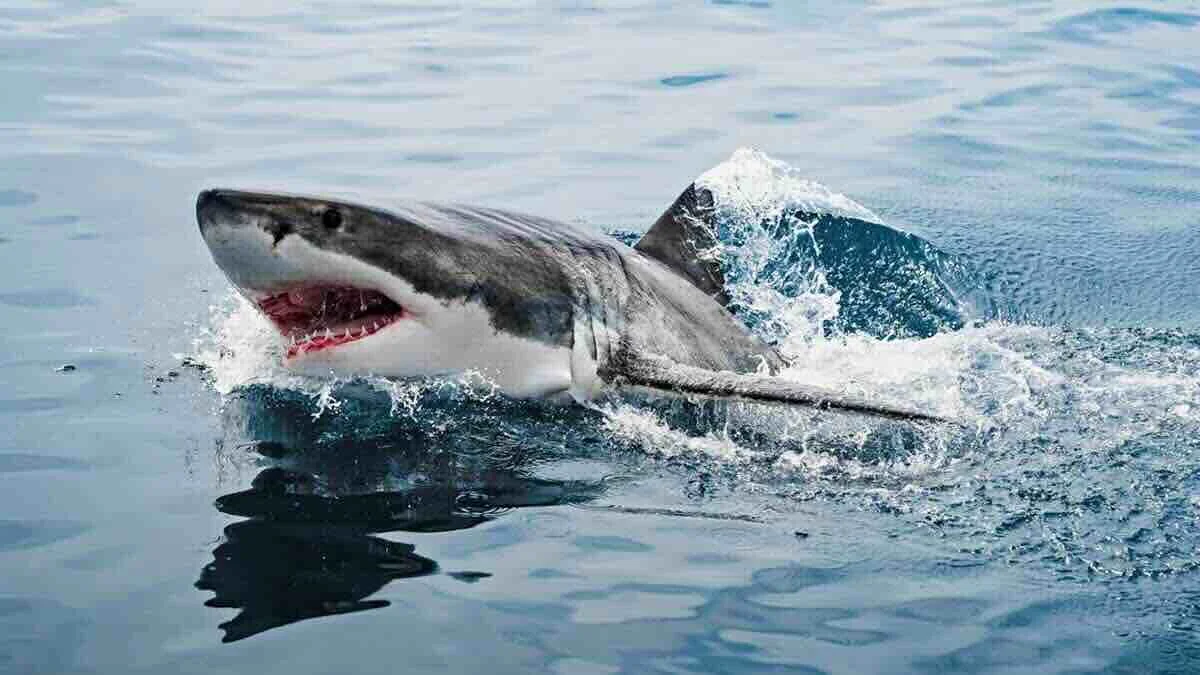
Imagine encountering a creature so magnificent that it disrupts both the tranquility of the sea and the rhythm of our summer retreats. A giant white shark has recently made waves along the bustling coastlines, sparking interest among scientists and holidaymakers alike. But what makes this particular shark so intriguing? And why should beachgoers remain vigilant? Dive deeper into the story of this unexpected visitor and discover why it’s capturing global attention.
Meet Contender: The Giant White Shark Making Headlines
In January 2025, a male great white shark named Contender was first spotted, making its presence known in an unprecedented way. Measuring an astounding 4.20 meters in length and tipping the scales at about 750 kilograms, Contender defies the typical size seen in the northwest Atlantic. But what does this mean for the scientific community and the curious minds observing from afar?
The team at OCEARCH, renowned for their marine research, was fortunate to tag this exceptional creature off the coast of Jacksonville. The usual size for adult male great whites ranges between 3.4 and 4 meters, making Contender’s size a subject of wonder. Such extraordinary dimensions not only affect how it hunts and conserves energy but also provide a unique case study into the adaptability of the species. This shark’s size is more than just a number; it’s a testament to the evolutionary versatility of one of the ocean’s most formidable predators.
Named as a tribute to boxing champions, Contender has unintentionally become a global sensation, coinciding with the anniversary of the release of the iconic film “Jaws.” Yet, unlike the fearsome portrayal in fiction, Contender’s life revolves around natural cycles – migration, feeding, and energy conservation. But what draws this giant away from its usual path?
Challenging the Norm: A New Path for Great White Sharks
Traditionally, great white sharks along the East Coast follow a predictable route, migrating north each spring to Cape Cod or Nova Scotia’s rich waters. However, Contender has veered off this well-trodden path, choosing instead to explore the Pamlico Sound in June. This sheltered lagoon behind the Outer Banks, popularized by a well-known Netflix series, is a summer hotspot for those seeking sun, sea, and adventure. But why trade the familiar for the unexpected?
In this region, tourists engage in various water activities, from kayaking and kitesurfing to recreational fishing. Contender’s presence here serves as a stark reminder that nature maintains its dominion, even in areas heavily influenced by human imagination and leisure. But what makes this detour so significant for researchers and beachgoers?
Decoding the Great White’s Journey for Safer Waters
For John Tyminski, a data expert at OCEARCH, the rarity of a direct encounter with a human doesn’t eliminate the risk entirely. Contender primarily follows its prey – fish or seals – rather than humans. The breeding grounds of these species significantly influence the shark’s movements more than any curiosity about people. Yet, understanding its path is crucial for those sharing the waters.
The shark’s tagging device only communicates when it surfaces, creating periods of silence during which its location remains unknown. Researchers combine these intermittent signals with data on water temperature, prey density, and weather conditions to predict Contender’s future whereabouts. But there’s more to learn from this elusive giant.
Globally, the great white shark population has plummeted by 75% since the start of the century. These predators, while formidable, do not target humans. Preserving their habitat is vital for maintaining the delicate balance of ocean ecosystems, which in turn affects our own safety and environmental health. So, how can this knowledge transform our approach to ocean recreation?
Balancing Curiosity with Caution: Enjoying a Safe Summer
The advent of Contender challenges us to blend vigilance with respect for the natural world. Simple precautions like swimming in groups, avoiding early morning or late evening swims, and staying mindful of fish schools can mitigate risks. Meanwhile, reporting sightings aids scientific research, turning anxiety into informed caution without sacrificing the joy of ocean experiences.
As vacationers and experts alike pay close attention to Contender’s movements, they foster a balanced approach to coexisting with these awe-inspiring creatures of the deep. By doing so, they not only enrich their understanding of marine life but also contribute to the conservation efforts that ensure the oceans remain a vibrant part of our world. Are you ready to dive into the depths of this fascinating encounter?