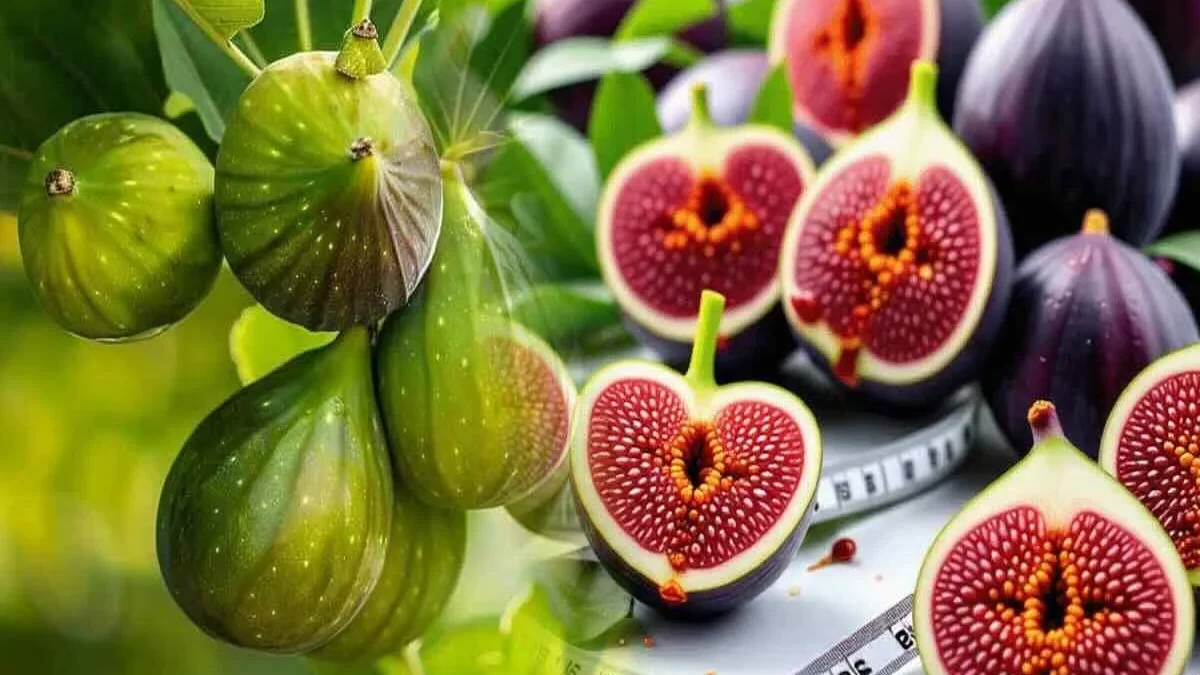
Have you ever wondered if there’s a hidden treasure right outside your door, waiting quietly amidst the greenery of your garden? The chances are high that you’re overlooking the extraordinary potential of your fig tree’s broad, green leaves. Yes, those very leaves that provide welcome shade in the summer months are brimming with surprising benefits for both your health and kitchen endeavors. As scientific research and the trend of natural, zero-waste cooking gain momentum, fig leaves are making a remarkable comeback. Could your next wellness and culinary ally be hanging right from your very own fig tree branches?
Fig Leaves: The Hidden Health Powerhouse
Why turn to synthetic supplements when nature has already provided an incredible solution? Fig leaves are a rich source of antioxidants, especially flavonoids, which play a crucial role in neutralizing free radicals responsible for cellular aging. In essence, they help slow down the aging process while boosting your immune defenses. But there’s more to these leaves than just their antioxidant properties.
A standout feature of fig leaves is their high dietary fiber content, which can aid in regulating your digestive system and promote smoother digestion without resorting to chemical solutions. Recent studies have shown even more promising benefits: fig leaves can help stabilize blood sugar levels. Regular consumption of fig leaf infusions has demonstrated encouraging results in maintaining stable blood sugar levels, especially in individuals with type 2 diabetes.
Moreover, their anti-inflammatory potential cannot be overlooked. Whether it’s joint pain, rheumatism, or simple age-related stiffness, the soothing properties of fig leaves might offer relief. Surprisingly, these seemingly ordinary leaves are indeed natural “superfoods.”
The Golden Rules of Harvesting and Preparation
Want to make the most of these benefits? It all starts with mindful harvesting. Choose young, vibrant green leaves that are flexible and free from spots. Leaves that are too stiff or marked have often lost some of their nutritional richness, making them less desirable. The morning is the ideal time for harvest, as the dew retains their freshness.
Once picked, a thorough wash with cold water is essential to remove dust and tiny insects. To avoid any skin irritation from the milky sap, which can be slightly harsh, wearing gloves during the harvest is advisable. Then, blanch the leaves for a few minutes in boiling water, which softens their texture and neutralizes the sap. This simple step unlocks a myriad of culinary possibilities.
Unleashing the Culinary Magic of Fig Leaves
In the kitchen, fig leaves reveal their surprising potential. Their unique aroma—a subtle blend of fresh nuts, vanilla, and cut herbs—enhances both savory and sweet dishes. Imagine wrapping a chicken fillet or fish in a fig leaf before cooking. Whether baked or steamed, the meat absorbs a woody, slightly sweet flavor, reminiscent of Mediterranean cuisine at its finest.
As for desserts, a simple fig leaf infusion in warm milk transforms your recipes: crème brûlées, flans, or ice creams gain new aromatic depths. To mix things up, consider drying the leaves and grinding them into powder. Sprinkle this powder on roasted vegetables or within a bread dough for an original and refined Mediterranean touch.
Moderation and Mindfulness: Listen to Your Body
As virtuous as they are, fig leaves should be consumed in moderation. Their fiber richness can cause bloating or digestive discomfort if over-consumed. To avoid these issues, start with small amounts: one infusion a day or one or two leaves used in cooking is more than enough initially.
Additionally, be cautious of potential skin reactions. Though rare, some individuals may experience redness or itching from contact with the sap. Before integrating them regularly into your diet, perform a simple test: rub a leaf on your forearm and observe any reaction over the next hour. If in doubt or if you have a medical history, consult a healthcare professional or naturopath.
Fig Leaves: The Ultimate Anti-Waste Weapon
Using fig leaves also aligns with ecological and anti-waste principles. Why discard these “green waste” when they can be health and culinary allies? Valorizing them not only helps limit organic waste but also stimulates the tree’s growth: a careful harvest encourages new leaves to sprout.
Another benefit: by incorporating these leaves into your cooking, you reduce your need for imported spices or ingredients, which are often high in carbon costs. Star chefs aren’t mistaken: more and more are rediscovering fig leaves and integrating them into their menus as symbols of sustainable, local, and creative cuisine.
Your Turn to Taste!
Convinced? Fig leaves undoubtedly deserve a place in your kitchen and wellness routine. Their versatility makes them a healthful, delicious, and eco-friendly ingredient. Whether you’re a culinary enthusiast, a naturopathy fan, or simply curious, they offer a unique experience.
So, why not turn your next meal into a homage to nature and authenticity? Try them tomorrow: your health, taste buds, and even the planet will thank you.